Pull three home price reports for Lead, South Dakota this week and you will get three different towns. One portal puts the median sale price at $257,360, up 13.4 percent from a year earlier as of June 2026. Another shows a median sale price of $443,000, a 36 percent jump, while listing the same town's median asking price at $659,900. A third puts the current median list price at $867,000, down 7 percent from the month before.
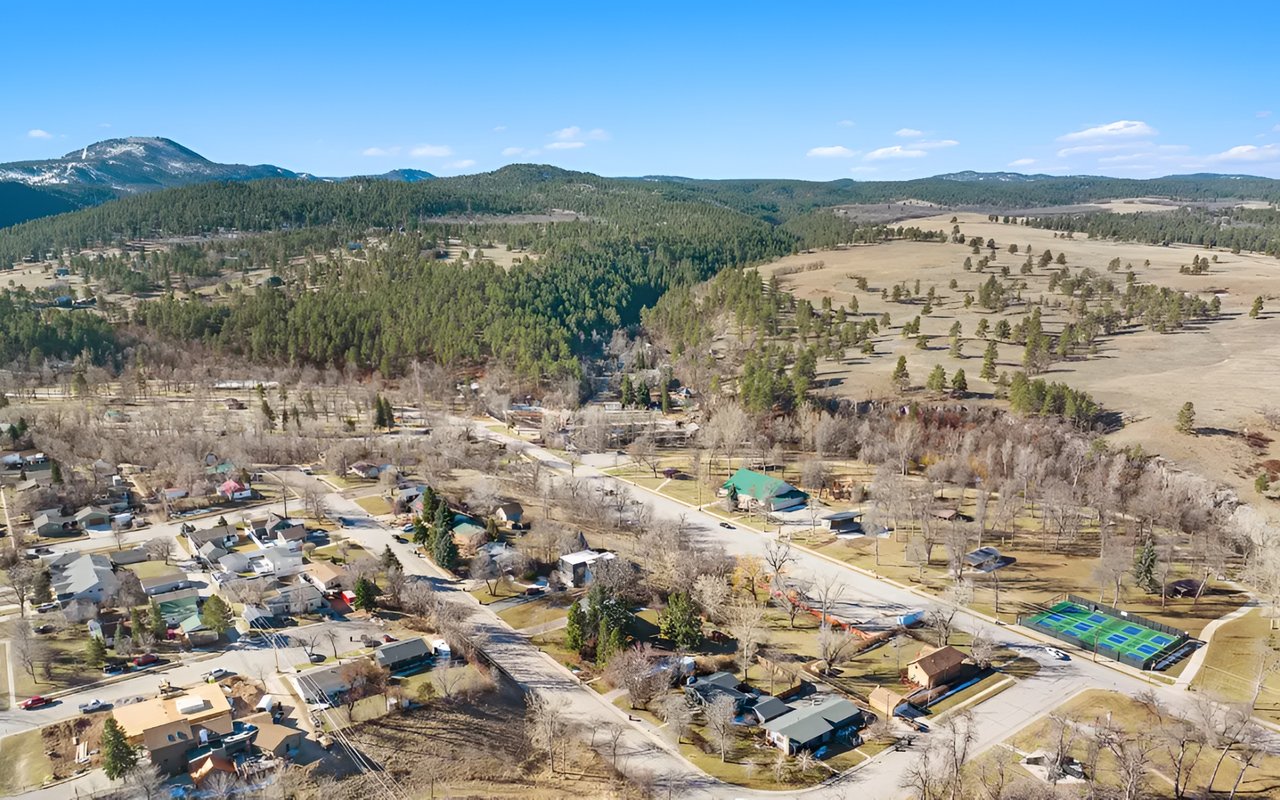
That is not a rounding error. That is three different pictures of the same 3,000-person mountain town, and if you are trying to decide whether Lead is a buy right now, the gap matters more than any single number in it.
Why the Numbers Disagree
Lead does not have enough transactions to produce a stable median in any given month. Roughly 95 homes changed hands there over the past year, which sounds like plenty until you remember that a median is only as steady as the sample behind it. In a market that size, five or six unusual closings can swing the headline number by a third.
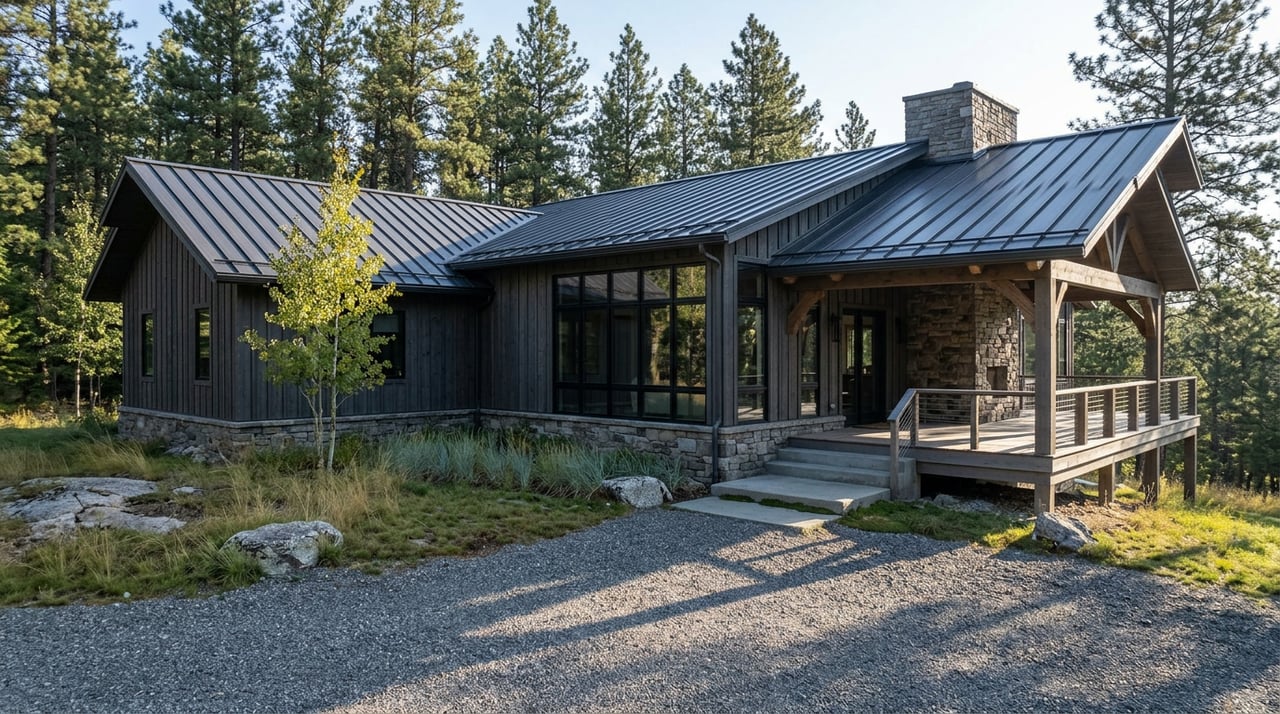
And Lead's housing stock is unusually varied for a town its size. In the same square mile you can find:
- Original miner's cottages from the Homestake era, often small, close to downtown, and priced well under $300,000
- Condos in newer recreation developments like Powder House Pass and Gilded Mountain, several of which are sold fully furnished as short-term rental properties with existing booking calendars
- Hillside cabins near Terry Peak built for seasonal use rather than year-round living
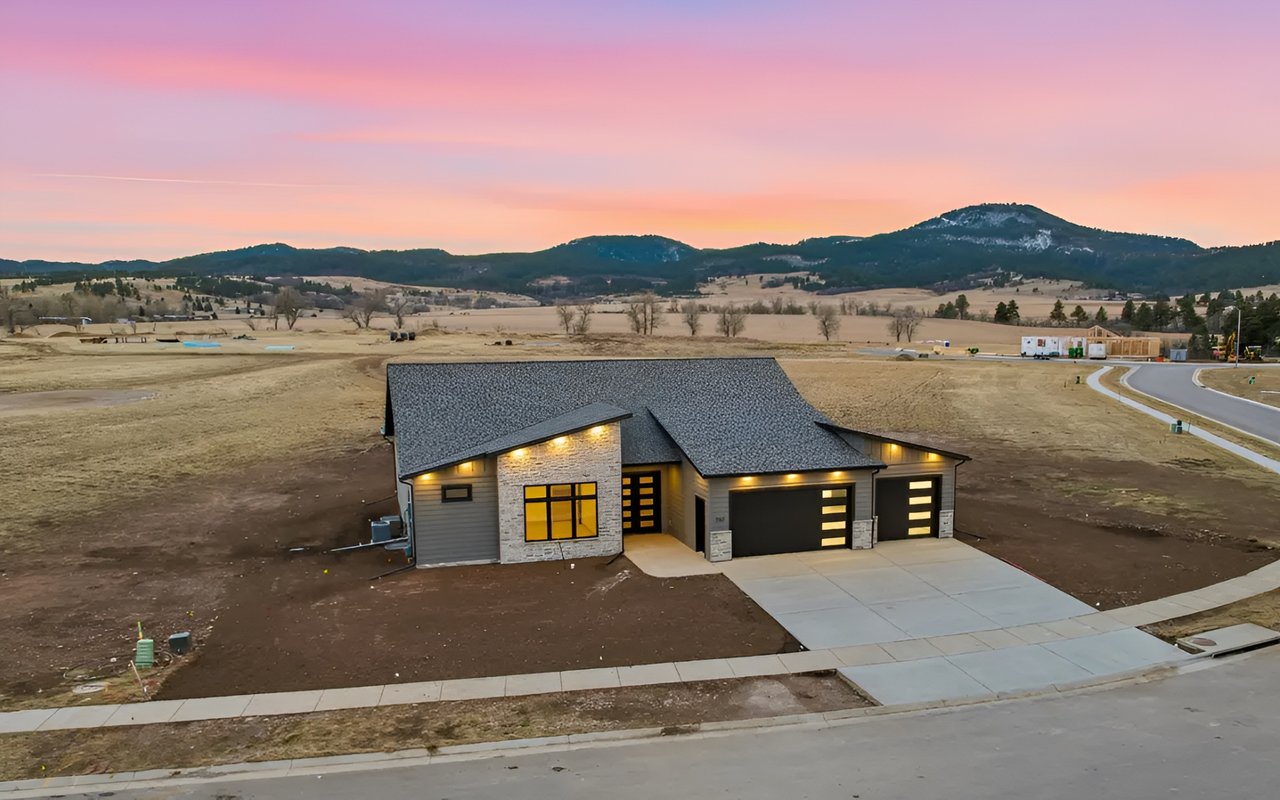
- The occasional larger custom home with views of Lead's historic Open Cut
A month with three cottage sales looks nothing like a month with three furnished vacation condos closing at once. Neither month is wrong. They are just measuring different products under the same city name. That is the mechanism behind the split you see on any given portal, and it means the headline median is close to meaningless as a standalone number until you know what actually sold.
There is a second layer worth sitting with. At Lead's reported average household income of roughly $76,000, the 28 percent affordability rule puts a comfortable home purchase somewhere well under $300,000. But at a $659,900 median list price, the math says a buyer needs roughly $147,000 in annual income to make the payment comfortably. At $867,000, that requirement climbs higher still. Depending on which number you trust, Lead is either within reach for a typical local household or completely out of range. Both cannot be true. That gap is exactly why a buyer relying on a single portal snapshot risks anchoring to a price that has nothing to do with the type of home they are actually shopping for.
What's Coming to Lead Isn't in Any Portal Yet
The noisier issue is what happens to this thin market once a real employment catalyst lands on it, and Lead has one already in motion.
Dakota Gold Corp is headquartered in Lead and has spent the past four years drilling its Richmond Hill Gold Project a few miles outside town, in the same historic Homestake Mining District that produced more than 40 million ounces of gold before that mine closed in 2002. As of early September 2026, company leadership said Dakota Gold employed about 40 workers and expects that number to grow to as many as 300 as Richmond Hill moves toward production, backed by roughly $450 million in planned investment, according to comments from company president and CEO Jack Henris reported by KOTA Radio.
That growth is not a distant hypothetical. In late July 2026, Dakota Gold announced it had secured funding through 2028 for its Richmond Hill programs, reported $107 million in cash on hand as of its March 2026 financial statements, and confirmed plans to file its large-scale mine permit application later this year. The company is targeting commercial production as soon as 2029.
Before any of that hiring can happen, state law requires a socioeconomic study covering the project's expected impact, and that study was written specifically to examine local housing needs and availability alongside population growth and infrastructure demand, according to South Dakota Searchlight's coverage of the state board approval. In other words, the state itself has already decided that whether Lead has enough housing is a permitting question, not an afterthought.
Lead has been through a version of this before, just in reverse. At its peak, the Homestake Mine employed more than 2,200 people and anchored the entire local economy for over a century.
"Lead was the economic engine of South Dakota."
That is how longtime Lead city commissioner and former Homestake geologist David Vardiman described it to CBS News, recalling the town before the mine's 2002 closure cost hundreds of jobs and reshaped the local economy overnight. Dakota Gold's projected 300 employees is a fraction of that historic peak, but in a town where fewer than 100 homes trade hands in a typical year, even a few hundred new paychecks is not a small input. It is a demand shock the current housing stock has not been tested against in over two decades.
Reading Lead's Market Between Now and the Permit Decision
None of this means home values in Lead are guaranteed to move in any particular direction. Permitting can slip. Gold prices can shift the economics of a project years before a single shovel goes in the ground. What it does mean is that anyone comparing Lead to other Black Hills towns right now is working from data that reflects a town before its next employment cycle, not during or after one.
A few things worth checking before comparing Lead listings to anywhere else:
- Ask whether the comps behind a quoted median are historic in-town homes, recreation condos, or a mix. The property type explains more of the price than the calendar month does.
- Look at days on market alongside price. Lead homes spent a median of 106 days on market as of July 2026, longer than many surrounding towns, which tells you more about current absorption than a single price point does.
- Track Dakota Gold's permit filing timeline directly rather than relying on secondhand summaries. The company posts project updates and news releases on its own site as milestones are reached.
A Few Direct Answers
Will Dakota Gold's new hires actually live in Lead, or commute from Spearfish and Rapid City? The company's own project materials note that personnel for exploration and development work may be sourced from or housed in Lead, Deadwood, Spearfish, or the wider northern Black Hills, so some of this demand will likely spread across nearby towns rather than landing entirely inside Lead's city limits.
When would construction-phase jobs actually show up? Based on the timeline Dakota Gold has laid out, the large-scale mine permit is expected to be filed later in 2026, with production targeted as soon as 2029. Any meaningful construction hiring would sit somewhere in that window, not immediately.
Is now a good time to buy in Lead, or better to wait and see how the permit process plays out? That depends entirely on what you are buying and why. A buyer looking for a full-time home near town is in a different position than an investor eyeing a furnished short-term rental condo, and the right answer changes with your timeline and goals. That is a conversation worth having with someone who tracks this market closely rather than a single portal's snapshot.
Lead is a small enough market that a handful of transactions can tell three different stories in the same month, and it is about to add a real, dated employment catalyst that most national data sources have not caught up to yet. If you are weighing Lead against other Black Hills towns, or trying to figure out what a specific property is actually worth in a market this thin, Jenni Sneesby works these northern Black Hills communities directly and can walk through what the current data does and does not tell you. Let's Connect.